Analysis & Commentary
This page features research-driven analysis on governance, regulation, and institutional systems, including work on sports, labor markets, and economic structure. The writing focuses on how rules shape incentives, outcomes, and long-term stability across different contexts. New essays are published weekly on Wednesdays.
When Markets Become Too Expensive to Enter
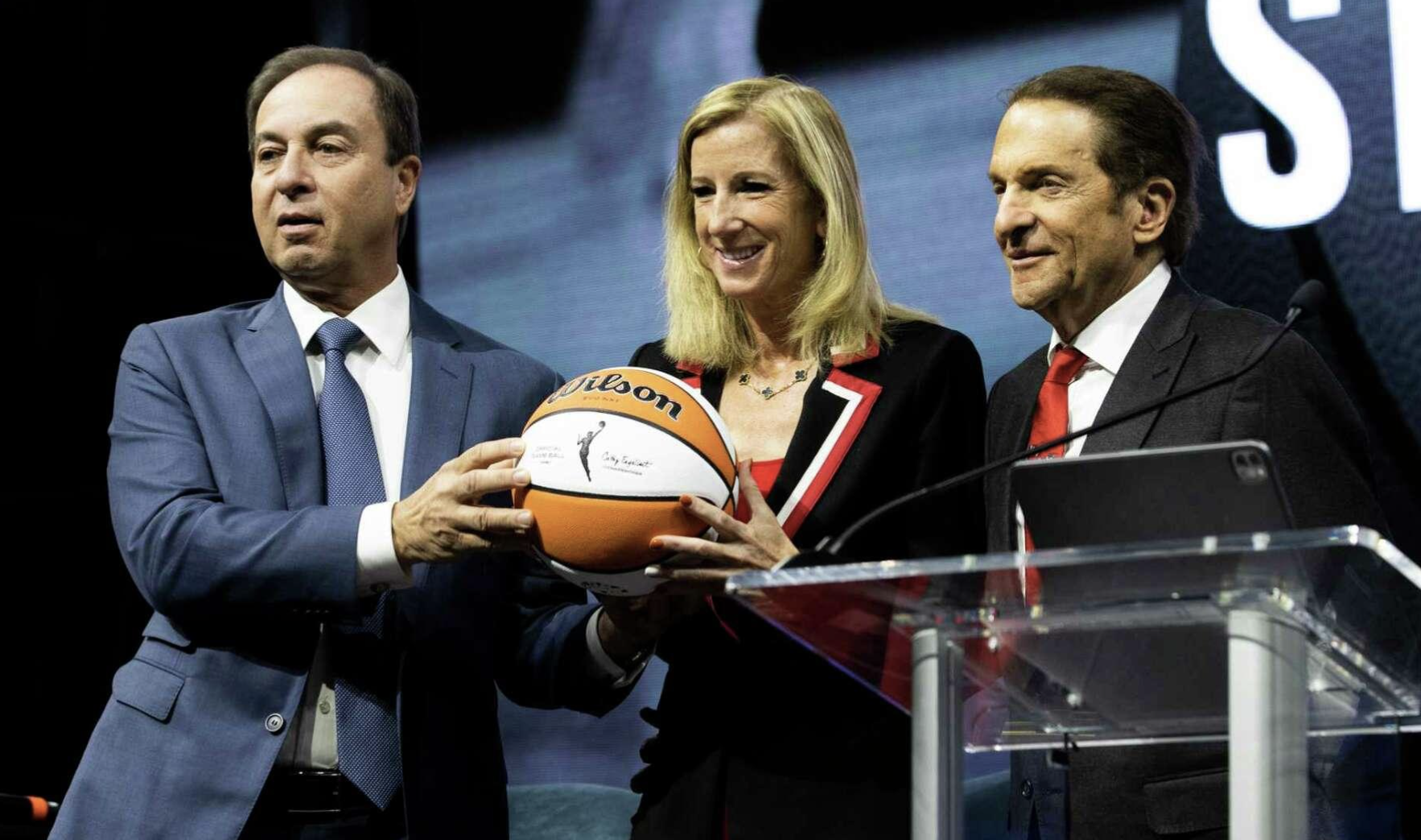
Nearly eight months into writing this series, I return to a question at the heart of regulation: who do the rules actually protect? From small businesses facing costly entry requirements to professional sports leagues controlling expansion, regulation can make markets more stable while also making them harder to enter. As demand for new franchises grows, so does the value of limiting who gets in. The paradox is that the more successful a market becomes, the more valuable its barriers to entry may be to those already inside it.

When Losing Becomes a Business Strategy
In professional sports, losing can sometimes be a rational business decision. Draft systems designed to help struggling teams can also reward poor performance, creating an uncomfortable contradiction: what happens when the rules intended to protect competition make winning less attractive?

Stretched Thin: The Cost of Competing Across a Global Sports Calendar
The FIBA Women’s Basketball World Cup brought many of the world’s best players to Berlin, but for many, the tournament was only one stop in an increasingly crowded year. As leagues, clubs and international competitions compete for the same athletes, more opportunity is creating a new challenge: how much can the global sports calendar demand before choice starts to become obligation?

From Compensation to Ownership: The Economics of Athlete Equity
Less than two years after its first game, Unrivaled is valued at $650 million, with nearly $200 million in player equity. Its rapid growth raises a larger question for professional sports: could giving athletes ownership in the institutions they help build create a more aligned and sustainable model for the leagues of the future?

When Youth Sports Become an Investment
Youth sports in the United States have become a roughly $40 billion-a-year industry, attracting increasingly sophisticated investment across clubs, facilities, tournaments, and technology. As participation becomes an investment opportunity, new questions are emerging around cost, access, competition, and the protections families need in an increasingly commercial market.

When an Athlete’s Image Is No Longer Their Own
As generative AI makes it possible to recreate an athlete’s face, voice, and likeness without their participation, traditional image rights are being pushed into unfamiliar territory. The question is no longer simply who can use an athlete’s image, but who can reproduce their identity and what that reproduction is allowed to do.

Who Owns an Athlete’s Data?
Athletes generate enormous amounts of biometric and performance data every time they train and compete, often without considering what happens to it afterward. As that information becomes increasingly valuable, sports face a growing regulatory question: who should control the data an athlete’s body produces?
What Should Justify an Eligibility Restriction in the WNBA?
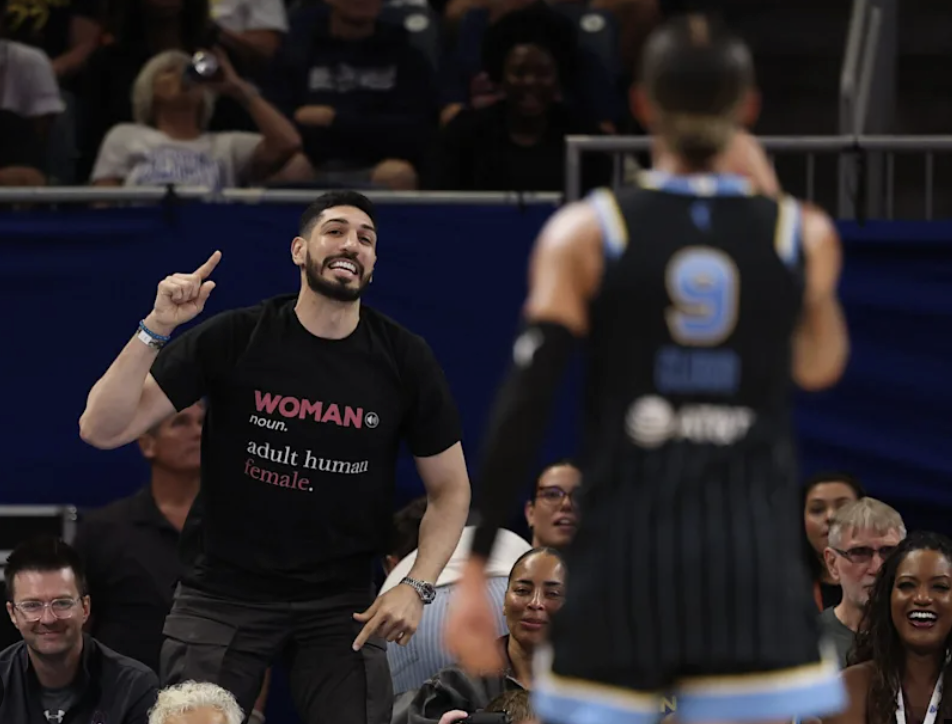
As transgender eligibility receives growing attention in women’s sports, the WNBA faces a broader regulatory question: what evidence and competitive justification should be required before an otherwise eligible athlete is excluded from professional competition?

The Regulatory Gray Area Behind Sports Prediction Markets
Sports prediction markets are blurring the distinction between financial trading and conventional wagering, raising questions about regulatory jurisdiction, sporting integrity, and whether economically similar products should operate under different rules.

Who Regulates the New Regulator of College Sports?
The College Sports Commission is becoming one of the most powerful institutions in the new college sports economy. Its oversight of NIL deals raises a larger question about transparency, accountability, and who should regulate the regulator.
When Courts Start Writing the Rules of College Sports
As NCAA eligibility rules face growing legal challenges, courts are becoming increasingly influential in determining who can compete, raising broader questions about regulatory authority, consistency, and the future of college sports governance.

Sportswashing and the Limits of Sports Governance
Modern sport has learned to regulate financial risk, corruption, and integrity. Reputational risk may be its next governance challenge.

FIFA's Governance Challenge: Managing Risk Without Overregulating.
As the 2026 FIFA World Cup expands, so too does FIFA's regulatory influence. From commercial exclusivity to host venue control, the tournament raises a broader question: when does legitimate risk management become disproportionate regulation?

The WNBA's Next Growth Challenge Isn't Revenue. It's Access.
Media rights do more than generate revenue. They shape how consumers experience a league, and that may become one of the WNBA's most important governance questions.

The Politics of Visibility in Women’s Sports
Visibility in women’s sports is often framed as a universal solution to inequality. In practice, attention functions as a scarce institutional resource that is distributed unevenly across athletes, leagues, and markets.
The Institutional Consequences of Athlete Empowerment
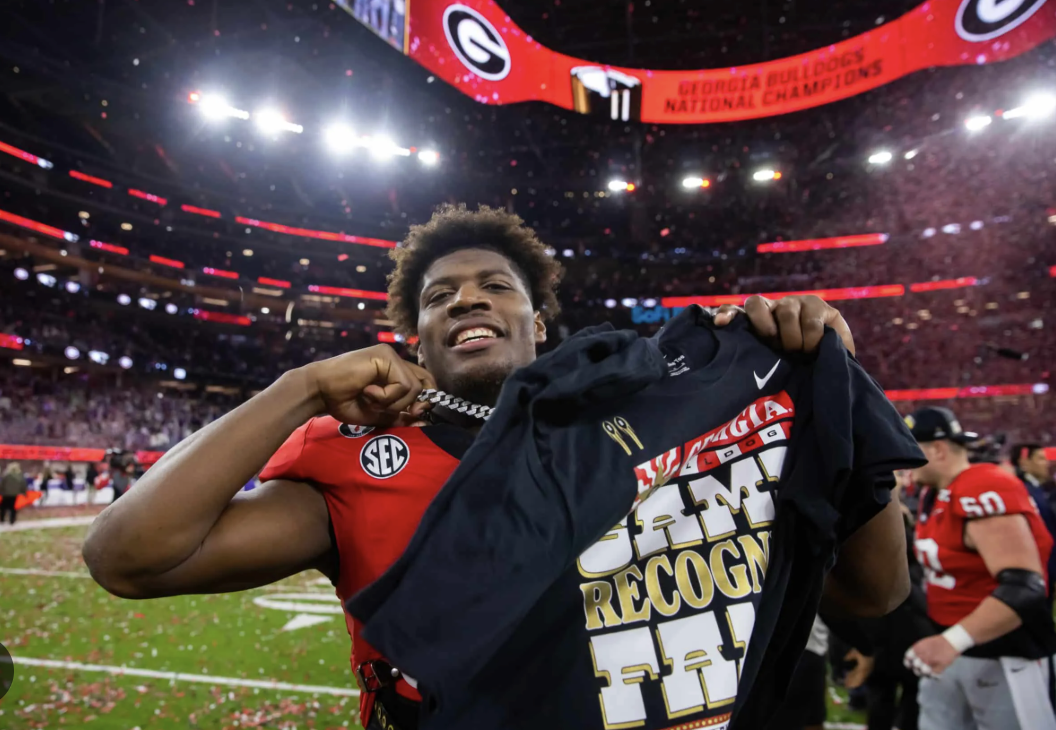
As athletes gain greater influence over movement, branding, and labor negotiations, sports institutions are being forced to adapt to a system with less centralized control and more distributed power.

When Data Becomes Governance
Analytics were once used primarily to evaluate performance. Increasingly, data systems are shaping recruitment, development, compensation, and access across modern sports institutions.
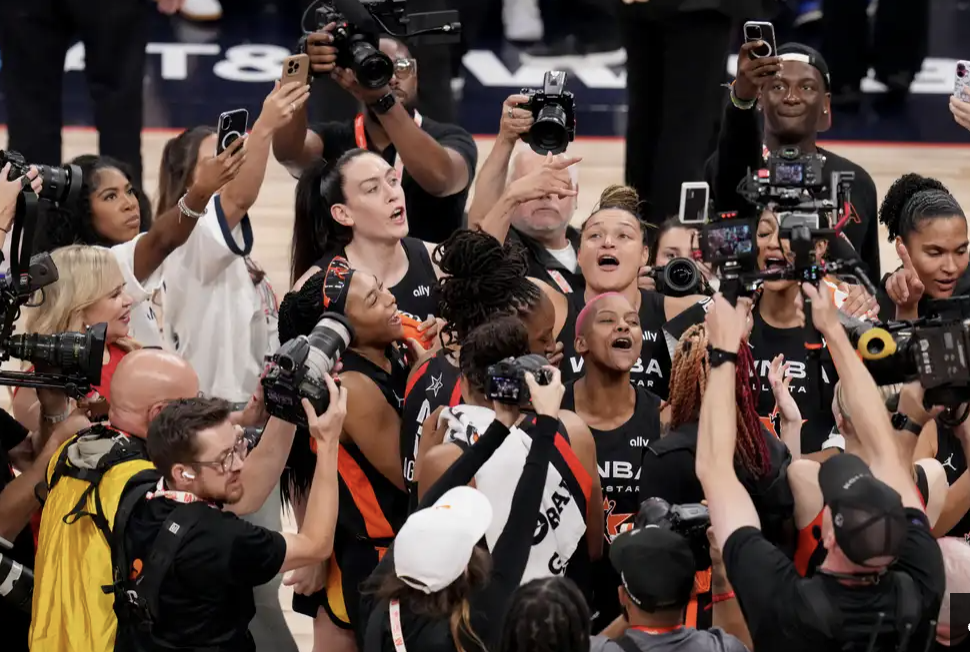
The Professionalization Trap in Women’s Sports
Commercial growth is transforming women’s sports rapidly, but professionalization may also import many of the media incentives, cultural pressures, and institutional behaviors that have complicated men’s sports for decades.

Why Institutional Legitimacy Matters More Than Institutional Power
Sports institutions rarely collapse because they lose authority entirely. More often, they weaken when athletes, fans, and stakeholders no longer believe authority is being exercised consistently or credibly.

The Attention Economy Is Reshaping Sports Governance
As sports become increasingly driven by media value, engagement metrics, and digital visibility, leagues are beginning to govern not only for competition, but for attention itself.
I welcome thoughtful questions, research ideas, and perspectives related to governance, regulation, and institutional design. If there are topics or developments that warrant closer examination, I am interested in learning more.